 Latchly
5 Pumping Schedules That Actually Work for New Moms
You know you need to pump. Maybe you’re heading back to work in a few weeks. Maybe you want a freezer stash so someone else can take a feeding. Maybe you’re exclusively pumping because that’s what works for your family.
But every time you search “pumping schedule,” you get a 47-step plan written for a mom with zero other responsibilities and unlimited time. That’s not you.
Here’s what actually works.
What Is a Pumping Schedule?
A pumping schedule is a plan for when and how often you’ll use your breast pump during the day. It replaces or supplements your baby’s nursing sessions to keep your milk supply steady and collect milk for later.
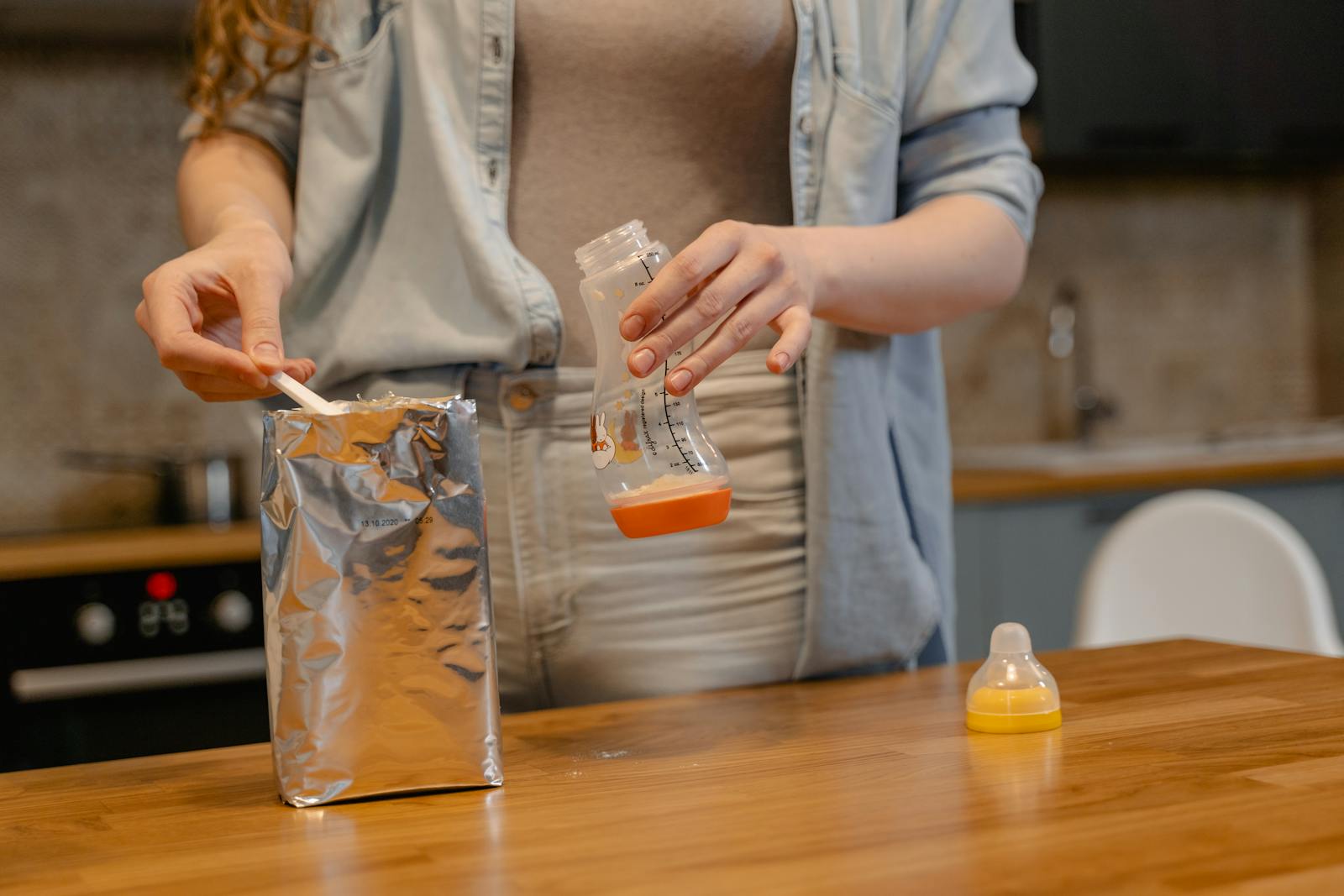
The key thing to understand: your body makes milk on a supply-and-demand basis. Every time milk is removed (by baby or by pump), your body gets the signal to make more. Skip removals consistently and supply drops. That’s why the schedule matters.
You don’t need to pump at the exact same minute every day. But you do need a rough rhythm your body can count on.
Save this for later on Pinterest
Tap any design below to save it to your Pinterest board. Come back when you need it at 3 a.m.


When to Start Pumping
If breastfeeding is going well, wait until 3-4 weeks postpartum. This gives your supply time to regulate to your baby’s actual needs. Starting too early can trigger oversupply, which sounds great until you’re dealing with painful engorgement, clogged ducts, and a baby choking on a fast letdown.
There are exceptions:
- Baby can’t latch or is in the NICU. Start pumping within the first 6 hours after birth, every 2-3 hours, to establish supply.
- You’re exclusively pumping by choice. Same as above. Frequent early pumping is how you build supply without a baby at the breast.
- You want to introduce a bottle early. Some lactation consultants suggest offering a bottle around 3-4 weeks to avoid bottle refusal later. One pumping session a day at this point is plenty.
If your milk supply feels low, pumping can help. But check with a lactation consultant before adding sessions. Sometimes the problem is something else entirely, like a shallow latch or a tongue tie.
5 Pumping Schedules That Work
Every mom’s situation is different. Pick the schedule that matches yours and adjust from there. These are starting points, not rigid rules.
Schedule 1: Nursing + One Extra Session (Building a Stash)
Best for: Moms on maternity leave who want a small freezer stash.
- Nurse baby on demand throughout the day (usually 8-12 times in 24 hours for a newborn).
- Add one pumping session in the morning, about 30-60 minutes after baby’s first feed. Morning supply is highest because prolactin peaks overnight.
- Pump for 15-20 minutes with a double electric pump.
- Store what you collect. Even 1-2 ounces per session adds up to 7-14 ounces per week.
Expected output: 1-3 ounces per session. Don’t compare yourself to moms posting 8-ounce hauls on Instagram. That’s not typical.
Schedule 2: Nursing + Pumping to Replace Missed Feeds
Best for: Moms who want someone else to give a bottle for one or two feeds a day (so you can sleep, leave the house, or just breathe).
- Nurse baby at most feeds.
- Pump during the feed(s) someone else is covering to maintain supply. If your partner gives a bottle at 10pm, pump at 10pm.
- Add one morning pump session if you want to build ahead.
The rule: for every bottle baby gets, you pump once. This keeps supply matched to demand.
Schedule 3: Pumping at Work (Most Common)
Best for: Moms returning to work with a baby under 12 months.
Here’s a sample 9-to-5 schedule:
- 6:00 AM. Nurse baby before leaving.
- 9:30 AM. Pump at work (15-20 min).
- 12:30 PM. Pump at work (15-20 min).
- 3:30 PM. Pump at work (15-20 min).
- 5:30 PM. Nurse baby when you get home.
- Evening/night. Nurse on demand.
That’s 3 pumping sessions at work, roughly every 3 hours. Most moms can drop to 2 sessions once baby is eating solid foods (usually around 6-8 months).

Practical tips for pumping at work:
- Get a hands-free pump or pumping bra so you can eat lunch or answer emails during sessions.
- Keep a cooler bag with ice packs at your desk. Milk stays good at room temperature for 4 hours, but refrigerating it right away is safer.
- Bring extra pump parts. Forgetting a flange on a Monday morning is a special kind of misery.
- Know your rights. In the U.S., federal law requires employers to provide reasonable break time and a private space (not a bathroom) for pumping.
Schedule 4: Exclusive Pumping (EP)
Best for: Moms who feed baby entirely with pumped milk (no nursing at the breast).
Newborn (0-6 weeks): - Pump 8-10 times per day, including at least once overnight. - Every 2-3 hours during the day, every 3-4 hours at night. - 15-20 minutes per session (or 2 minutes after milk stops).
After 6 weeks (once supply is established): - Gradually drop to 7-8 sessions per day. - Space sessions every 3-4 hours. - One middle-of-the-night pump is still important for supply. (That overnight prolactin surge is real.)
After 12 weeks: - Some EP moms can drop to 5-6 sessions per day without losing supply. This depends on your storage capacity and how your body responds. - Drop sessions slowly, one at a time, waiting 3-5 days between each drop to see how supply adjusts.
EP is hard work. You’re doing double duty: pumping AND feeding. Give yourself grace. Every ounce counts.
Schedule 5: Combo Nursing + EP (The Hybrid)
Best for: Moms who nurse sometimes but supplement with pumped bottles (common when baby has a weak latch, tongue tie, or weight gain concerns).
- Nurse baby when you can (even partial feeds count).
- Pump after nursing sessions where baby didn’t fully drain the breast. This protects supply and collects extra milk.
- Pump in place of any skipped nursing session.
- Aim for a total of 8-10 milk removals per day (nursing + pumping combined).
This schedule is the most flexible but also the hardest to track. A simple app like Pump Log or Huckleberry can help you see whether you’re hitting enough daily removals.
How to Build a Freezer Stash (Without Overdoing It)
Here’s something most pumping guides don’t tell you: you don’t need a deep freezer packed with hundreds of bags. That Instagram freezer-stash photo with 400 ounces? That mom either has oversupply or has been collecting for months. Neither is your benchmark.
What you actually need before going back to work: 3-5 days’ worth of milk. For most babies, that’s about 36-80 ounces total. You’ll be pumping at work to replace what baby eats each day, so your stash is a buffer, not a reserve.
Here’s how to build it:
- Start 3-4 weeks before your return date. One morning pump session per day is enough.
- Freeze in small amounts. 2-4 ounce portions mean less waste when baby doesn’t finish a bag.
- Label every bag with the date and amount. Use the oldest milk first (first in, first out).
- Store bags flat, then stand them upright once frozen. They’ll stack neatly and thaw faster.
- Don’t pump extra “just in case.” Oversupply causes its own problems, including engorgement and clogged ducts.
For detailed storage rules (how long milk lasts in the fridge, freezer, and on the counter), check our guide to storing breast milk.
Pump Parts and Flange Fit
A bad flange fit is the #1 reason moms don’t pump enough milk. If your nipple is rubbing the sides of the tunnel, the flange is too small. If too much areola is being pulled in, it’s too big.
Signs your flange fits right:
- Your nipple moves freely in the tunnel without rubbing.
- You don’t feel pinching or pain after the first minute.
- Milk flows steadily, not just in drips.
- Your nipple isn’t white, cracked, or misshapen after pumping.
Most pumps come with 24mm flanges. Many moms need smaller (19-21mm). Measure or ask a lactation consultant to size you.
Replace pump parts on a schedule: - Membranes/duckbill valves: every 4-8 weeks - Backflow protectors: every 3-6 months - Tubing: when you notice condensation that won’t clear
Old parts reduce suction, and you’ll think your supply dropped when really your pump just needs fresh valves.
When to Call Your Pediatrician
Pumping concerns sometimes overlap with feeding concerns. Call your pediatrician or a lactation consultant if:
- Baby is refusing the bottle and you’re about to return to work. There are techniques to help, but start early (at least 2 weeks before your return).
- Your pump output has dropped suddenly and you’ve already checked flange fit and replaced parts.
- Baby isn’t gaining weight as expected, whether nursing or bottle-fed. (Pump ounces don’t tell you what baby transfers at the breast. Here’s how to actually tell if your baby is getting enough milk.)
- You’re getting recurrent clogged ducts or mastitis. This can signal an oversupply issue or a fitting problem.
- You feel overwhelmed, anxious, or resentful about pumping. Your mental health matters as much as your milk output. Scaling back or stopping is always an option.
The Thing I Wish I’d Known

Pumping is not a measure of your worth as a mother. The number of ounces you produce in a session doesn’t define you. The size of your freezer stash doesn’t define you.
Some moms pump 6 ounces in 10 minutes. Some moms pump 1 ounce in 20. Both are feeding their babies. Both are doing enough.
If pumping works for your family, these schedules will help you find a rhythm. If pumping becomes a source of stress that’s taking more than it gives, it’s OK to change the plan.
Your baby needs you more than they need a full freezer. Feed them however works. That’s the only schedule that matters.
If you’re working on your latch alongside pumping, or figuring out what’s normal during cluster feeding in those early weeks, we’ve got you. One step at a time.